
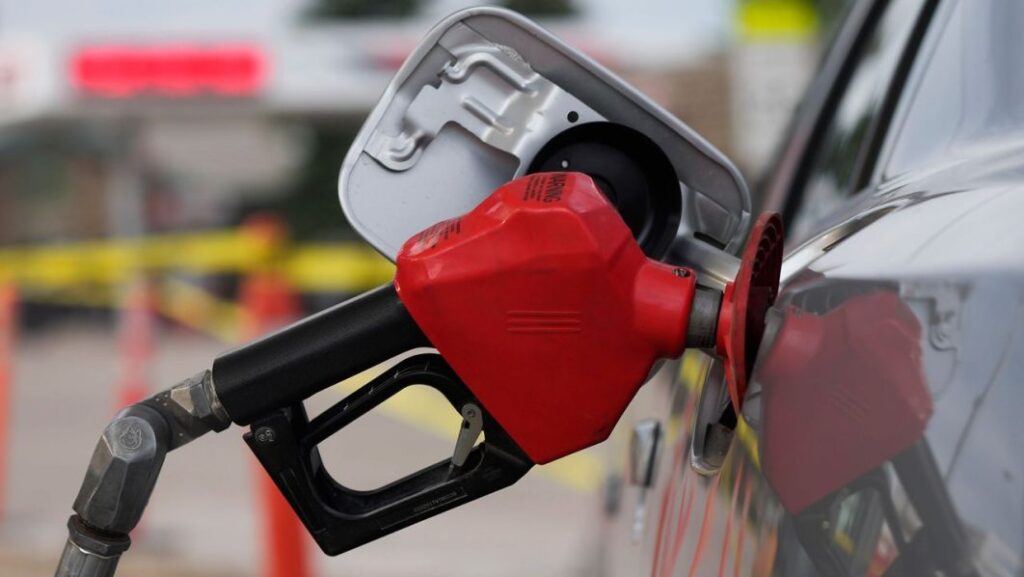
Nigerians are paying significantly more for fuel than they did a year ago, with the latest figures from the National Bureau of Statistics (NBS) showing sharp increases in the prices of petrol, diesel and household kerosene.
The petrol price increase Nigeria recorded in May 2026 highlights the continued pressure on households, transport operators and businesses following the deregulation of the downstream petroleum sector. While all three major fuel products recorded substantial annual increases, diesel posted the steepest rise, underscoring the growing cost of powering businesses and industries across the country.
According to the NBS’s latest Premium Motor Spirit (Petrol) Price Watch, the average retail price of petrol rose to ₦1,596.25 per litre in May 2026, compared to ₦1,027.76 per litre recorded in May 2025.
This represents a 55.31 per cent year-on-year increase, reflecting the sustained rise in fuel costs over the past twelve months. On a month-on-month basis, petrol prices also increased by 4.13 per cent, climbing from ₦1,533.96 per litre in April 2026.
The increase comes amid continued market-driven pricing in the petroleum sector, with international crude oil prices, exchange rate movements and supply costs remaining major factors influencing domestic fuel prices.
Diesel Records Highest Annual Increase
Diesel experienced the most significant increase among the three fuel products tracked by the NBS.
The average retail price of Automotive Gas Oil (AGO), commonly known as diesel, rose to ₦3,277.47 per litre in May 2026 from ₦1,758.26 per litre recorded during the same period last year.
The increase represents an 86.4 per cent year-on-year jump, making diesel the fastest-rising fuel product over the twelve-month period.
Compared with April 2026, diesel prices also climbed sharply by 32.44 per cent, indicating continued volatility in the market.
The sustained increase in diesel prices continues to affect manufacturers, logistics companies, transport operators and small businesses that depend on diesel-powered generators due to Nigeria’s persistent electricity supply challenges. Higher operating costs are often passed on to consumers through increased prices of goods and services, contributing to inflationary pressures across the economy.
READ ALSO: Dangote Jet Fuel Exports Expand Across Europe
Kerosene Remains Expensive Despite Monthly Drop
Household kerosene also remained significantly more expensive than it was a year ago.
The NBS reported that the average retail price of household kerosene reached ₦2,971.94 per litre in May 2026, representing a 36.62 per cent increase compared to May 2025.
Unlike petrol and diesel, however, kerosene recorded a slight monthly decline of 0.17 per cent from the previous month.
The average price paid for a gallon of kerosene also dropped by 10.8 per cent compared to April 2026. Despite the monthly reduction, the gallon price remained more than 40 per cent higher than what consumers paid a year earlier.
Many low-income households continue to rely on kerosene for cooking and lighting, making the sustained increase in prices another source of financial pressure for families already coping with rising food and transportation costs.
Fuel Prices Continue to Vary Across States
The NBS data also showed noticeable differences in fuel prices across Nigeria’s states.
For diesel, Nasarawa State recorded the highest average retail price, while Kogi State posted the lowest.
In the case of petrol, Edo State recorded the highest average pump price, whereas Adamawa State had the lowest average price.
For household kerosene, consumers in Sokoto State paid the highest average prices, while Bayelsa State recorded the lowest.
These regional variations are often influenced by transportation costs, supply logistics, distribution efficiency and local market conditions.
READ MORE: Fuel Subsidy Removal: Latest Updates on Nigeria’s Energy Sector
Rising Fuel Costs Deepen Economic Pressure
The continued increase in fuel prices has become one of the major challenges confronting Nigerian households and businesses.
Higher petrol prices have translated into increased transportation fares, while rising diesel costs continue to push up production expenses for manufacturers and service providers that rely on alternative power sources.
Economic analysts say sustained increases in energy costs could continue to fuel inflation, reduce consumers’ purchasing power and slow business growth if broader economic conditions do not improve.
The latest NBS figures provide another indication of the financial burden facing millions of Nigerians as energy costs remain elevated despite ongoing efforts to stabilise the country’s petroleum market.
For many households and businesses, the challenge now lies in adjusting to persistently higher fuel prices while navigating broader economic pressures.