


The United States has launched a third consecutive night of strikes on Iran as President Donald Trump announced plans to reimpose a blockade on Iranian ports and introduce new restrictions on cargo moving through the strategic Strait of Hormuz.

The latest US strikes on Iran mark one of the most serious escalations in the conflict since a temporary ceasefire earlier this year, with both sides carrying out military operations and raising fears of a wider regional confrontation.
The US military said its latest five-hour operation targeted locations across Iran, including areas around the coastal cities of Bushehr and Bandar Abbas. US Central Command (CENTCOM) said the mission was designed to weaken Iran’s ability to threaten commercial shipping in one of the world’s most important energy corridors.
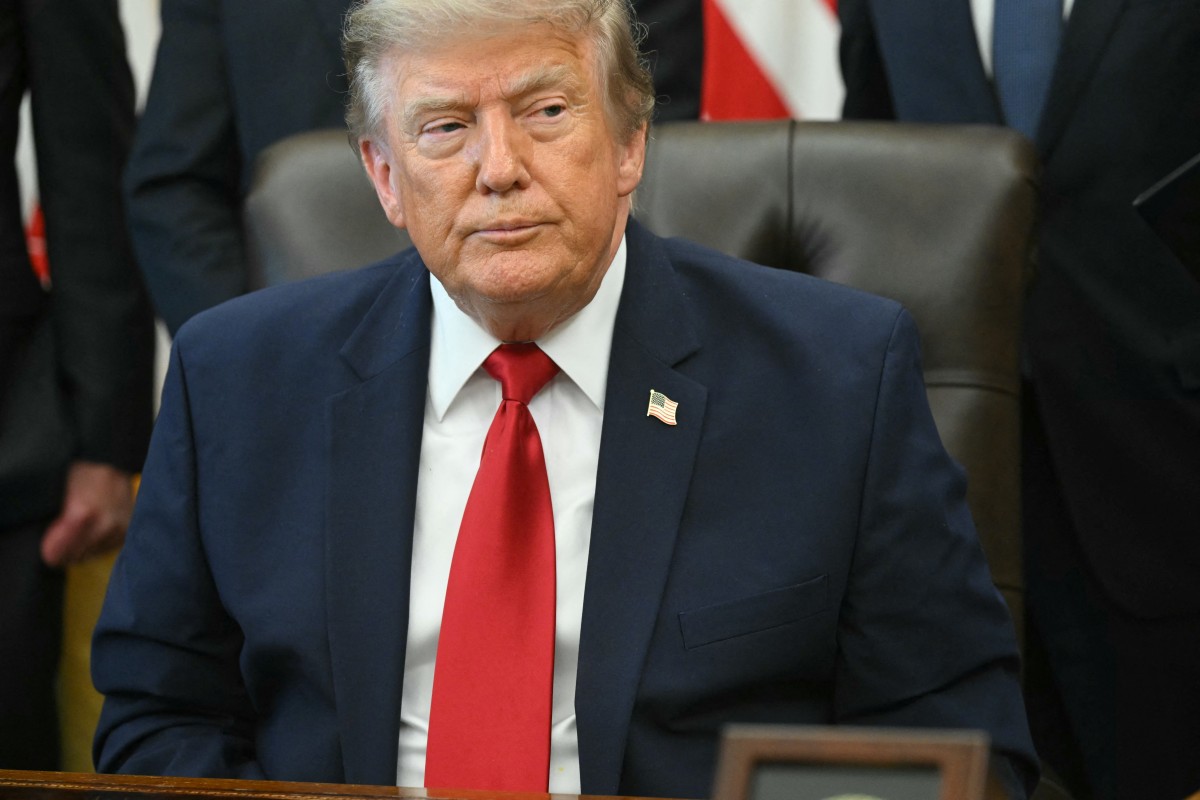
Despite the ongoing attacks, Trump said a diplomatic agreement with Tehran remained possible, arguing that negotiations could still prevent further escalation.
However, tensions intensified after Iran reportedly struck two vessels in the Strait of Hormuz, killing one crew member, according to the United Arab Emirates. The incident added to concerns over the safety of international shipping through the narrow waterway, which carries a significant share of global oil supplies.
Following the US strikes, Iran’s Islamic Revolutionary Guard Corps announced missile and drone attacks targeting Bahrain, including a residential building used by US forces and other facilities.
Iran also launched attacks against other US allies in the region, including Jordan, which said it intercepted four missiles fired from Iran.
The Revolutionary Guards warned Gulf countries against cooperating with Washington, saying any assistance to US military operations would be considered an “act of war.”
Trump Announces New Restrictions on Strait of Hormuz
Trump said the United States would take control of security operations around the Strait of Hormuz and impose a 20 percent fee on cargo passing through the waterway.
The president said Iran’s ports would face renewed restrictions but claimed other countries would continue to have access to the strategic route.
US Central Command said the blockade of Iranian ports would begin at 2000 GMT on Tuesday.
The announcement has drawn criticism from Iran, with Iranian Foreign Minister Abbas Araghchi mocking the proposed fee. He argued that if charges were introduced for guaranteeing safe passage, the United States’ proposed 20 percent levy was excessive.
Iran has previously sought greater control over shipping activities in the Strait of Hormuz, a demand Washington has strongly opposed.
The waterway has long been considered a critical point in global energy markets because disruptions there can quickly affect oil prices worldwide.
Oil Markets React as Conflict Deepens
The renewed military confrontation has already affected global markets, with oil prices rising sharply amid concerns about possible disruptions to energy supplies.
Oil prices jumped more than nine percent on Monday before climbing further on Tuesday as investors assessed the risks of a prolonged conflict.
Analysts have warned that any sustained disruption in the Strait of Hormuz could have major consequences for international trade, energy costs and inflation.
The latest escalation follows months of tensions between Washington and Tehran, including military strikes and diplomatic efforts aimed at preventing a wider war.
READ MORE: Israel Warns US of Iran Plot to Kill Trump, Reports Say
US Warns Iran Over Nuclear Site
Trump also issued a warning over Pickaxe Mountain, a deeply buried nuclear facility near Natanz that Western intelligence agencies suspect may be linked to undeclared uranium enrichment activities.
Speaking to conservative radio host Hugh Hewitt, Trump warned Iran to prepare for possible further action.
“Tell the Iranians to be ready. Let them know we’re coming,” Trump said.
The White House has confirmed that Trump formally notified Congress that the United States had resumed military operations against Iran, giving the Pentagon additional authority to continue activities in the region without further congressional approval for 60 days.
Diplomatic Efforts Continue Despite Military Escalation
Although military actions have intensified, both Washington and Tehran have indicated that negotiations remain possible.
Iran’s Foreign Ministry spokesman Esmaeil Baqaei said the June memorandum of understanding that had helped establish negotiations and ease previous restrictions was now facing a crisis.
He said Iran would not continue meeting obligations if Washington abandoned its commitments but added that Tehran was still engaging with mediators from Qatar, Pakistan and Oman to prevent further escalation.
Bader Al-Saif, an associate fellow at Chatham House, said the renewed attacks reflected the difficulty both sides face in reaching an agreement.
“Both sides want to end the impasse on their own terms, and they are increasingly finding it difficult to do so,” he said.
The conflict has raised concerns among regional governments and international observers who fear further military action could expand beyond Iran and the United States, drawing more countries into the confrontation.
For now, the Strait of Hormuz remains at the centre of the crisis, with global markets and governments closely monitoring developments as military operations continue.