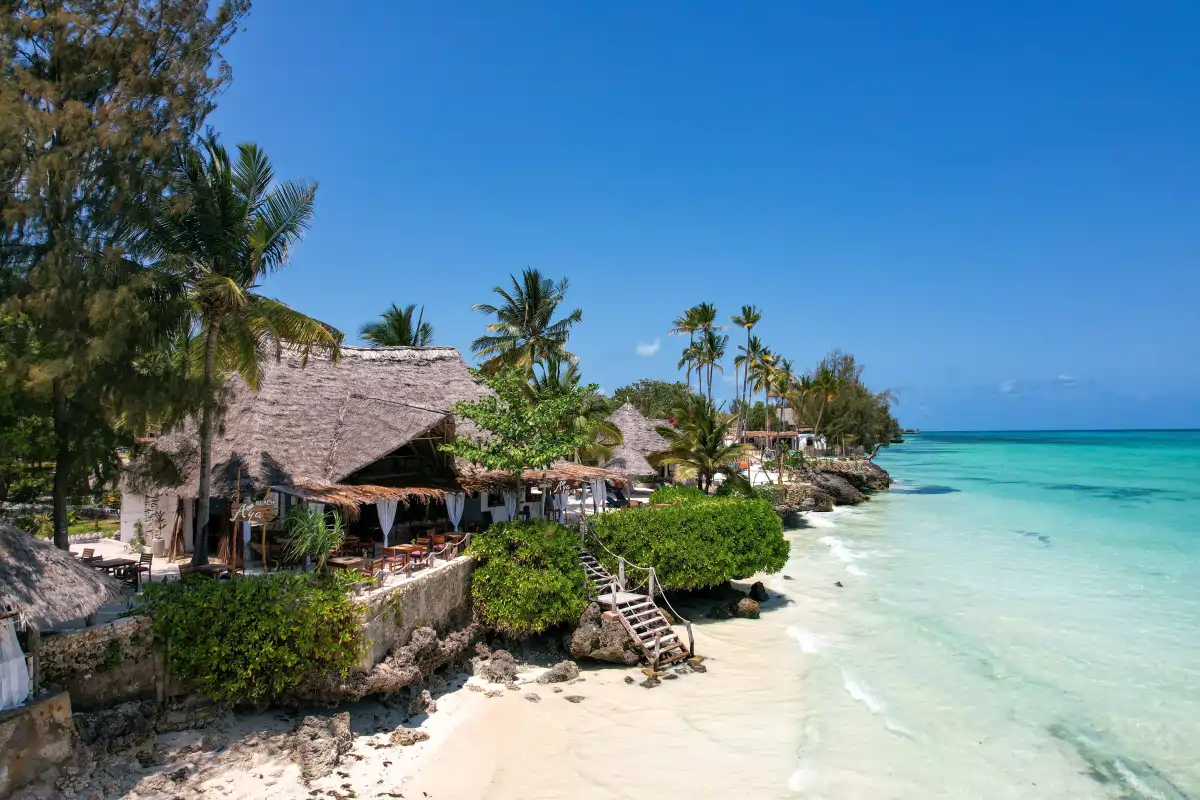
White sand. Turquoise water. Spice in the air. Sunset cocktails. Ancient streets. And enough postcard-worthy scenery to make your Instagram account very busy.
Welcome to Zanzibar.
This Tanzanian archipelago has long been one of Africa’s great island escapes, but in 2026, it is attracting even more attention from travellers looking for something beyond the usual beach holiday.
And that’s the thing about Zanzibar: it isn’t just a place to lie on a beach.
You can spend the morning swimming in ridiculously blue water, the afternoon wandering through centuries-old streets, the evening eating fresh seafood — and still have enough energy to go looking for a spectacular sunset.
For travellers who want beach, culture, food, history and adventure in one trip, Zanzibar makes a very convincing case.

WHERE EXACTLY IS ZANZIBAR?
First things first — where is this tropical paradise?
Zanzibar sits in the Indian Ocean, roughly 35 kilometres off Tanzania’s mainland coast.
It is part of Tanzania but has its own semi-autonomous government and a distinct cultural identity.
And that identity is fascinating.
Over centuries, Zanzibar has been shaped by African, Arab, Indian and European influences. The result is a destination where languages, architecture, food, music and traditions tell a story of centuries of movement and cultural exchange.
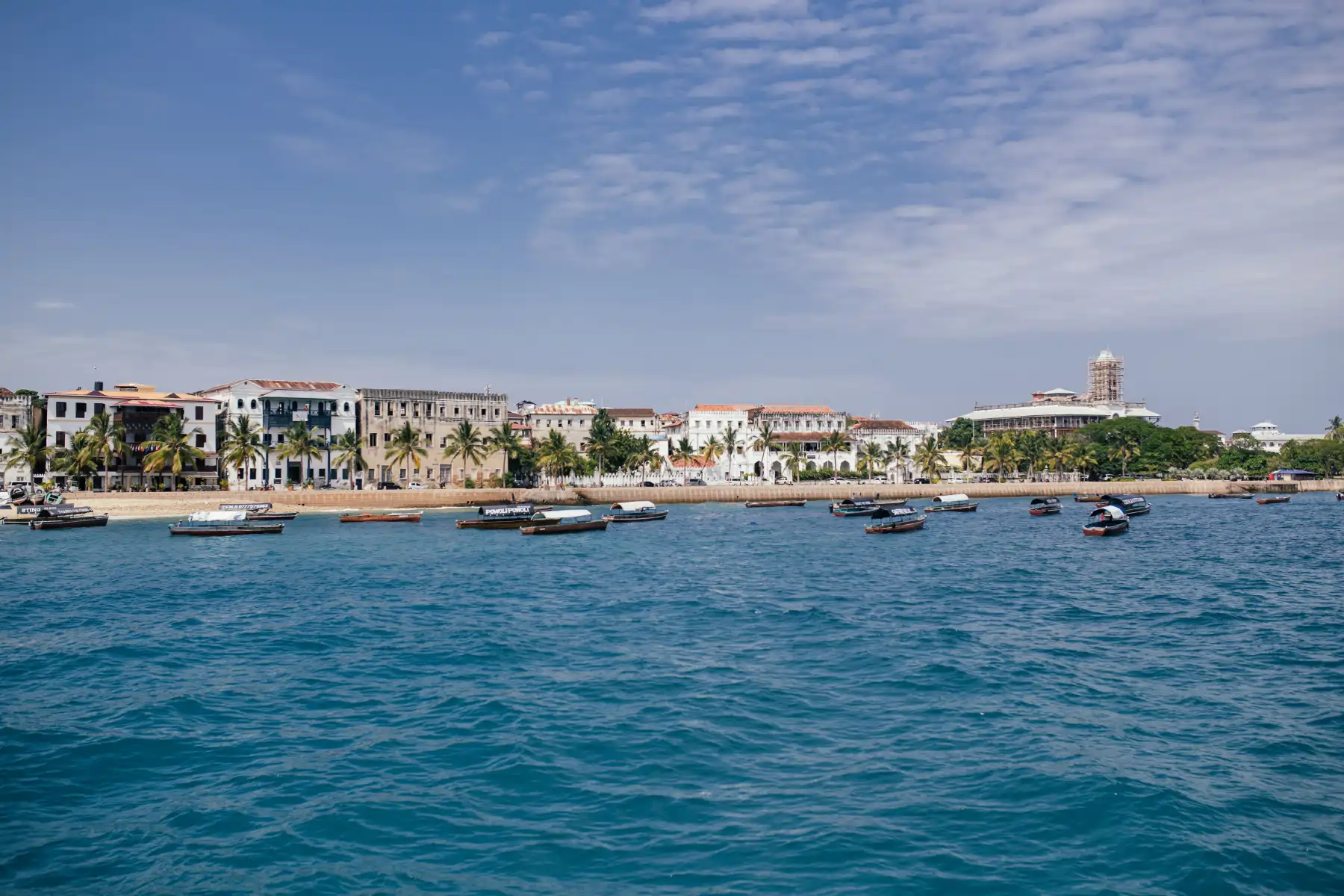
At the centre of it all is Stone Town, Zanzibar’s historic heart and a UNESCO World Heritage Site.
And trust us — this is not your average town square.
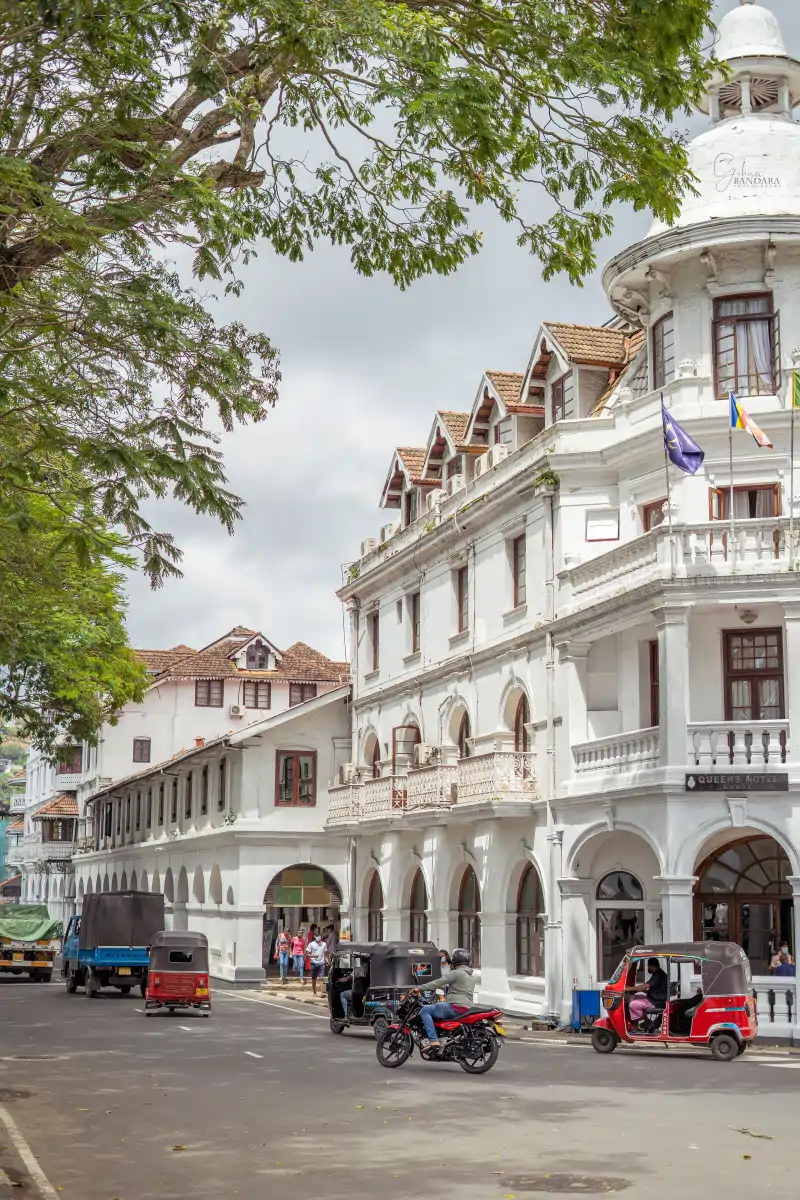
Think narrow winding streets, enormous carved wooden doors, bustling markets, historic buildings and the unmistakable feeling that every corner has a story.
THE BEACHES EVERYONE IS TALKING ABOUT
Of course, let’s not pretend we’re above the obvious.
The beaches are spectacular.
Zanzibar’s powdery white sand and clear turquoise waters have earned comparisons with some of the world’s most famous island destinations.
And unlike your ex, these beaches actually deliver.
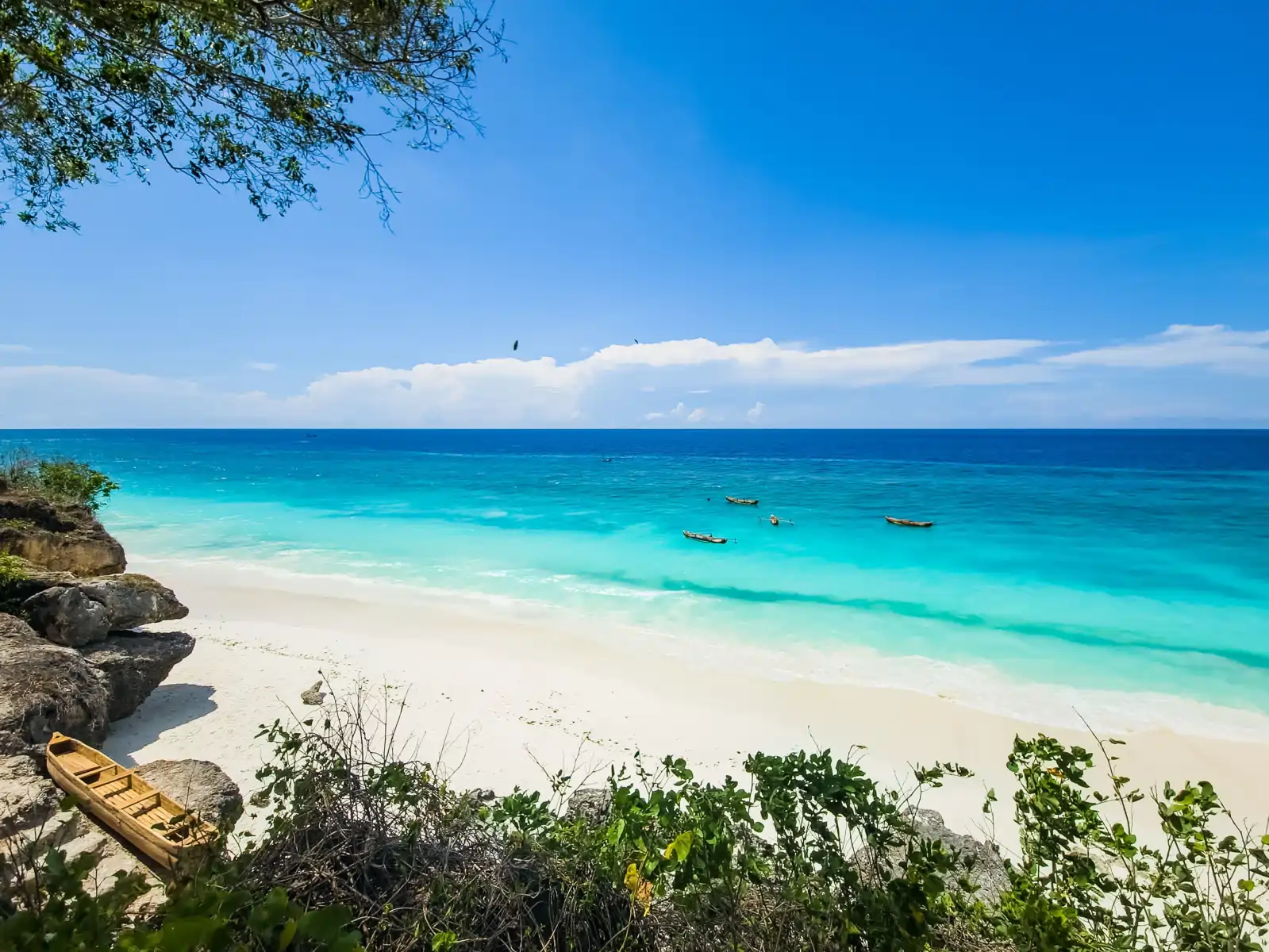

Nungwi Beach
Located in the north, Nungwi is known for beautiful beaches, relatively calm waters, spectacular sunsets and a lively nightlife scene.
It’s a good choice if your idea of a holiday includes sunbathing by day and finding somewhere interesting to be after dark.
Kendwa Beach
If your dream holiday involves soft white sand, swimming and spectacular sunsets, Kendwa deserves attention.
The beach is also known for its lively atmosphere and regular beach events.
Paje
Paje is where Zanzibar turns up the adventure.
It’s particularly popular with kite surfers because of its favourable conditions, but you don’t need to be an adrenaline junkie to enjoy it.
The beach, laid-back atmosphere and surrounding restaurants and cafés have made Paje a favourite with younger travellers and independent holidaymakers.
Jambiani
Prefer your paradise with a little less noise?
Jambiani offers a quieter, more laid-back experience, with traditional fishing communities, beautiful coastline and a stronger sense of local life.
In other words:
Less party. More breathe-in-the-ocean-and-
BUT ZANZIBAR IS MORE THAN A BEACH
This is where the island gets interesting.
Many visitors arrive expecting beaches and leave talking about everything else.
Take a spice tour and discover why Zanzibar earned its famous nickname, The Spice Island.
Explore Stone Town.
Take a traditional dhow boat out onto the Indian Ocean.
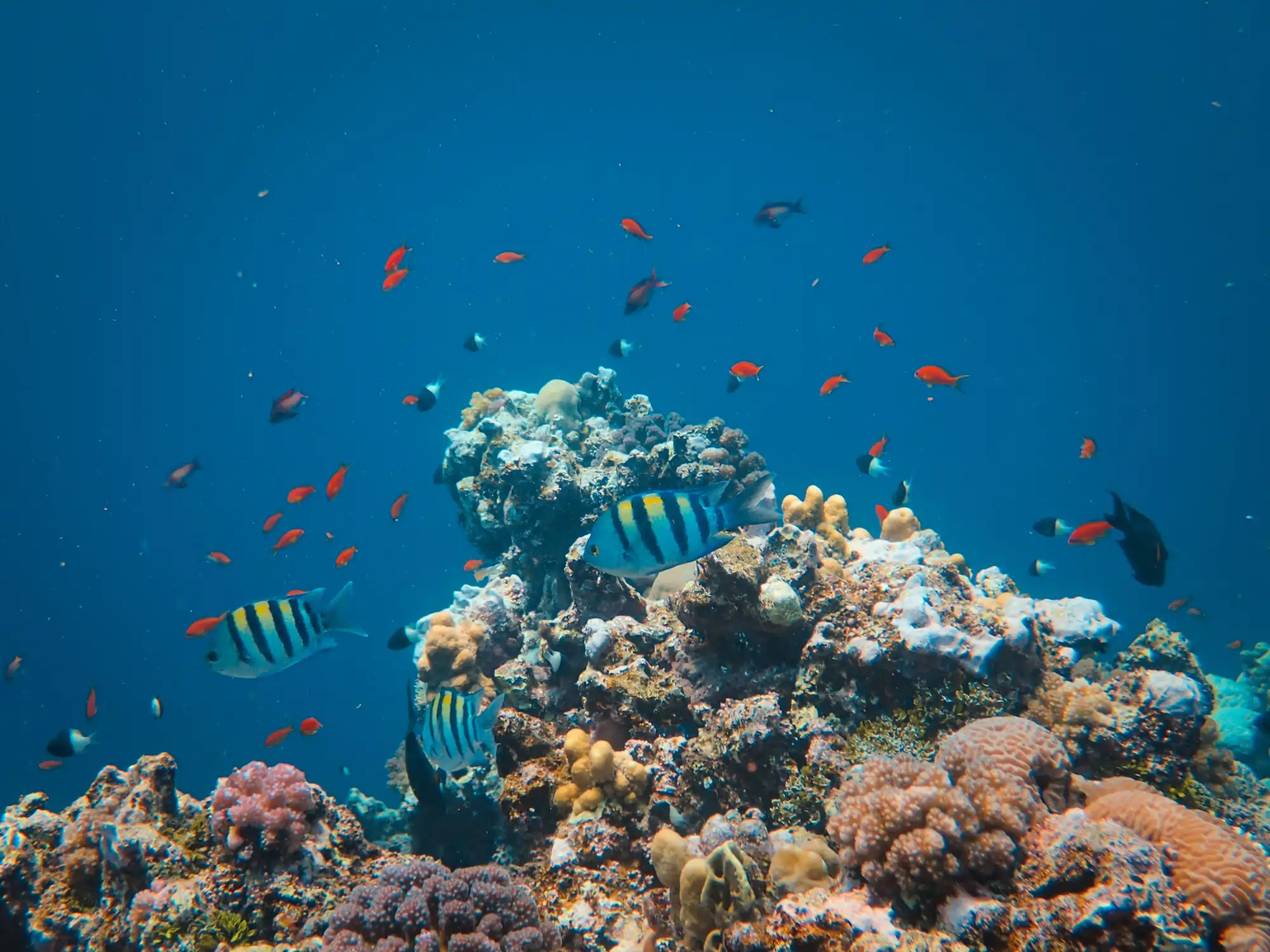
Go snorkelling or diving.
Visit local fishing communities.
Explore marine conservation areas.
Or simply sit somewhere beautiful and watch the sun disappear into the horizon.
And if you’re the kind of traveller who believes a holiday isn’t complete without eating your way through it, Zanzibar has plenty to offer — from fresh seafood and tropical fruit to dishes influenced by the island’s African, Arab and Indian heritage.
THE SPICE ISLAND
Here’s a fun one.
Zanzibar became internationally famous for producing spices including:
cloves, cinnamon, nutmeg, black pepper and cardamom.
Spices were historically an important part of the islands’ economy, and today visitors can explore spice plantations and learn how some of those familiar kitchen ingredients are grown, harvested and processed.
So yes, that little jar of cloves in your kitchen has a much more interesting backstory than you probably realised.

WHEN SHOULD YOU GO?
For many travellers, June to October is an especially attractive period, with generally comfortable temperatures and lower rainfall.
December to February can also be appealing for travellers looking for sunshine and warm beach weather.
But Zanzibar is tropical, so weather conditions can vary, and different parts of the island can experience different conditions.
The lesson?
Check the weather before you book — and pack accordingly.
THE ZANZIBAR EXPERIENCE
Perhaps the biggest attraction is that Zanzibar allows you to build very different holidays around the same destination.
Want luxury?
You’ve got it.
Want adventure?
Absolutely.
Want history and culture?
Stone Town is waiting.
Want nightlife?
Nungwi and other parts of the island have plenty going on.
Want to disappear somewhere quiet with a book and pretend your inbox doesn’t exist?
Zanzibar can handle that too.
And that’s probably why the island continues to appeal to such a wide range of travellers.
DOTT TRAVEL VERDICT
Zanzibar isn’t just a beach destination. It’s a mood.
It’s for the traveller who wants to wake up beside the Indian Ocean, explore a centuries-old city before lunch, eat something delicious in the afternoon and watch the sky turn gold at sunset.
It’s luxury without having to be ultra-formal.
Adventure without having to be extreme.
Culture without having to sacrifice relaxation.
So, if your travel bucket list is looking a little tired in 2026, perhaps it’s time to give it some spice.
Zanzibar gets our DOTT Travel vote.
Just remember to leave some space in your suitcase.
You may be coming home with spices.