


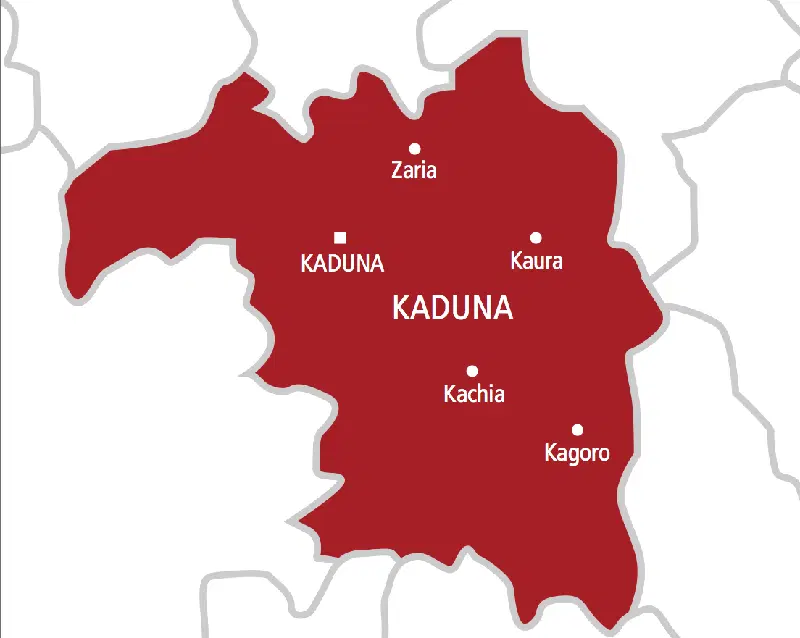
The Federal Government has adopted Kaduna State’s household mapping model as a national strategy to address the growing challenge of out-of-school children across Nigeria.

The decision was announced by the Minister of Education, Dr. Olatunji Alausa, during a meeting with Kaduna State Governor Uba Sani in Abuja.
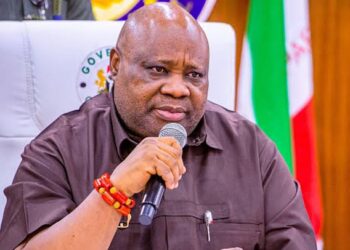
Governor Sani described the development as a major endorsement of Kaduna State’s data-driven approach to governance, noting that the household mapping framework has played a significant role in reducing the number of out-of-school children in the state.
According to the governor, the initiative has helped cut the number of out-of-school children in Kaduna from approximately 550,000 to fewer than 180,000 through targeted interventions based on accurate household data.
He explained that the household mapping model enables government authorities to identify vulnerable children, understand barriers to education and channel resources to communities where they are most needed.
The governor said the approach has improved school enrolment and retention by allowing education programmes to be tailored to the specific needs of children and their families.
Sani noted that the Federal Government’s decision to adopt the framework demonstrates growing confidence in Kaduna State’s commitment to evidence-based policymaking and efficient service delivery in the education sector.
READ MORE: NPA Eyes Cargo Growth as BUA Invests $85m in Port Expansion
He expressed the state’s readiness to work closely with the Federal Government to support the nationwide implementation of the model, saying its adoption could significantly expand access to education and further reduce the number of out-of-school children across the country.
The governor reaffirmed his administration’s commitment to ensuring that every child has access to quality education, stressing that reliable data, strategic partnerships and targeted interventions remain essential for achieving sustainable improvements in Nigeria’s education system.
The adoption of the Kaduna model is expected to strengthen national efforts to address one of Nigeria’s most pressing education challenges by providing policymakers with more accurate data to guide planning, improve resource allocation and ensure that vulnerable children are enrolled and retained in school.