
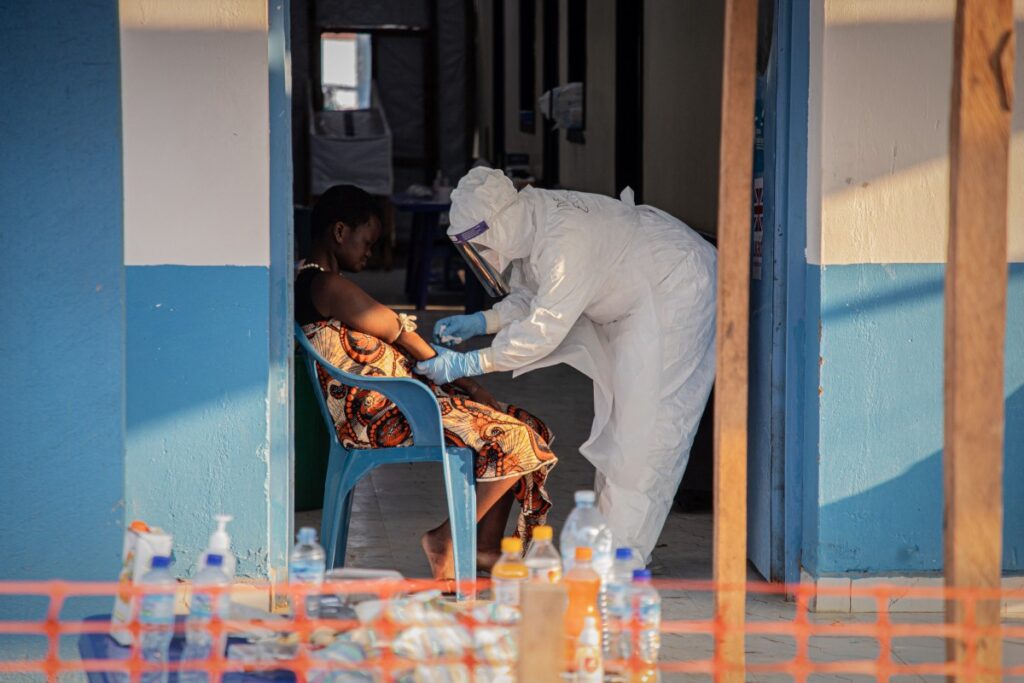
The death toll from the DR Congo Ebola outbreak has climbed to 600, according to updated figures released by the World Health Organization (WHO), highlighting the growing challenge facing health workers battling the disease in the country’s northeast.
The latest figures show that the outbreak has recorded 1,759 confirmed Ebola cases in the Democratic Republic of Congo since it was declared in mid-May. Of those confirmed infections, 600 people have died, while 285 patients have recovered.
The new figures represent a sharp increase from earlier reports, with the death toll surpassing 500 just three days before reaching the latest milestone.
Health authorities said the outbreak has produced a case fatality rate of around 34 percent, meaning roughly one in every three confirmed patients has died from the disease.
The outbreak has also affected neighbouring Uganda, where two deaths have been recorded. Uganda has reported 20 confirmed cases, with 17 patients recovering, according to WHO data.
Ebola outbreak concentrated in conflict-affected Ituri province
The current Ebola outbreak is centred in northeastern Democratic Republic of Congo, affecting four provinces but remaining heavily concentrated in Ituri province, a region that has faced years of insecurity due to the presence of armed groups.
The security situation has complicated efforts by health workers to respond quickly, trace contacts and provide medical support to affected communities.
Ituri is one of the country’s mineral-rich regions but has also been among the areas most affected by violence, displacement and limited access to healthcare services.
The outbreak is the 17th Ebola outbreak recorded in the Democratic Republic of Congo, with the latest health emergency officially declared on May 15 following several deaths linked to the virus in Ituri.
The WHO said 304 suspected Ebola cases remain under investigation as medical teams continue surveillance activities and laboratory testing.
Rare Ebola strain poses treatment challenges
The current outbreak is being caused by the Bundibugyo species of Ebola virus, a rare strain for which there are currently no approved vaccines or specific licensed treatments.
Unlike the more common Zaire strain of Ebola, which has benefited from the development of vaccines and therapeutic options, Bundibugyo Ebola presents additional challenges for researchers and health authorities.
Ebola is a highly infectious viral disease that spreads through direct contact with infected bodily fluids, including blood and other biological materials. Early symptoms can include fever, fatigue, muscle pain and weakness before progressing to more severe complications.
Health experts say rapid identification of cases, isolation of infected individuals and contact tracing remain among the most important measures for controlling outbreaks.
Trials begin for potential Ebola treatments
In an effort to improve treatment options, clinical trials for two potential therapies against Bundibugyo Ebola began in the Democratic Republic of Congo on July 2.
Researchers are testing the effectiveness of MBP134, a monoclonal antibody treatment, and remdesivir, an antiviral drug, both separately and in combination.
The trials aim to determine whether these treatments can improve survival rates among patients infected with the rare Ebola strain.
Previous Ebola outbreaks in the Democratic Republic of Congo have led to major advances in prevention and response efforts, including vaccination campaigns, improved surveillance systems and stronger community awareness programmes.
However, health officials continue to face challenges from insecurity, difficult terrain and limited healthcare access in affected areas.
READ MORE: TikTok Settles Teen Mental Health Lawsuit Before Trial
Continued international response
The WHO and other international health partners are supporting Congolese health authorities in monitoring the outbreak, treating patients and preventing further transmission.
The organisation has repeatedly stressed that community cooperation remains essential, particularly in allowing health teams to safely identify cases and provide care.
As the outbreak continues, authorities are closely monitoring neighbouring countries for possible cross-border transmission, especially in areas where communities regularly move between regions.
The latest Ebola crisis adds to the ongoing public health pressures facing the Democratic Republic of Congo, a country that has experienced repeated outbreaks of the virus since Ebola was first identified there in 1976.
With hundreds of deaths already recorded, health officials say strengthening medical response efforts and expanding access to treatment will be critical to bringing the outbreak under control.
AFP