


















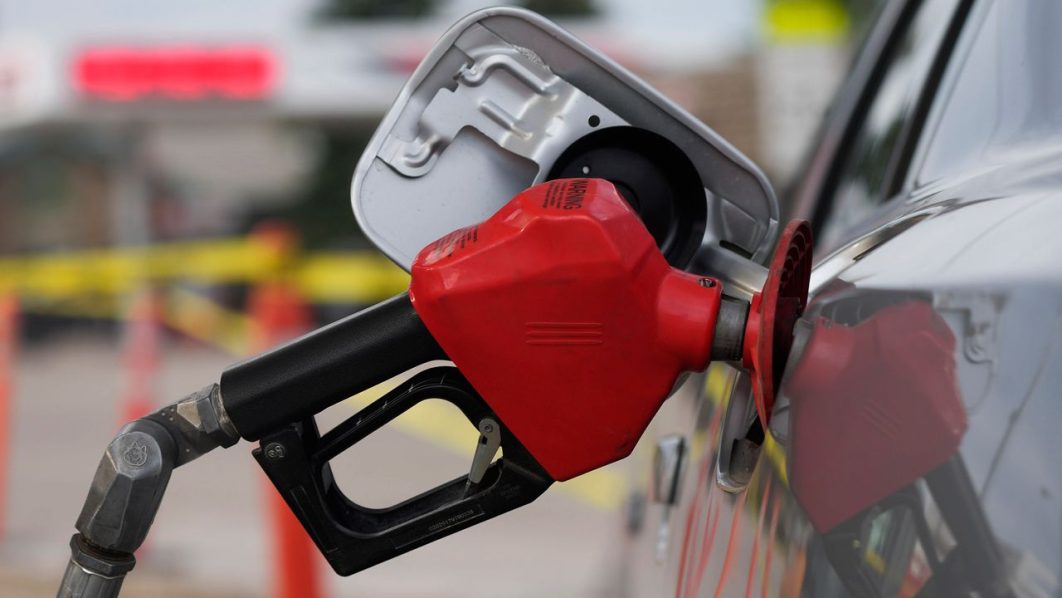
FCCPC Warns Fuel Marketers against exploiting Nigerian consumers by failing to reduce petrol pump prices despite the sharp decline in global crude oil prices, saying businesses operating in the downstream petroleum sector must compete fairly and avoid anti-consumer practices.

The Federal Competition and Consumer Protection Commission (FCCPC) issued the warning as Brent crude prices fell to about $72.44 per barrel, down from more than $100 per barrel recorded during heightened tensions in the Middle East.
The FCCPC Warns Fuel Marketers directive follows growing concerns that while petroleum marketers quickly increased pump prices when global crude prices surged, many have been slow to pass on the benefits of lower international oil prices to consumers.
In a statement issued by the Commission’s spokesperson, Ondaje Ijagwu, the Executive Vice Chairman and Chief Executive Officer of the FCCPC, Tunji Bello, said ongoing market surveillance had revealed that reductions in gantry prices by refiners, depot operators, marketers and retail filling stations remained marginal despite the significant fall in crude oil prices.
Bello explained that although the Commission does not regulate petrol prices in Nigeria’s deregulated downstream petroleum market, it has a legal responsibility under the Federal Competition and Consumer Protection Act (FCCPA) 2018 to prevent anti-competitive conduct and protect consumers from exploitative business practices.
He stressed that the Commission would not hesitate to investigate and sanction operators found engaging in deceptive pricing, market manipulation or other unfair practices that violate the law.
According to Bello, competitive markets must operate fairly in both directions.
He noted that marketers often respond immediately by increasing fuel prices whenever international crude oil prices rise, making it difficult to understand why consumers are not enjoying similar benefits now that crude prices have dropped significantly.
The FCCPC observed that global crude oil prices declined sharply following the ceasefire agreement between the United States and Iran and the reopening of the Strait of Hormuz, easing concerns over disruptions to global oil supply.
As a result, Brent crude has returned to levels last seen before the geopolitical tensions escalated earlier in the year.
During the peak of the crisis between April and May, crude oil prices climbed to around $120 per barrel, prompting local refiners and marketers to raise petrol prices to between ₦1,350 and ₦1,500 per litre, while diesel prices approached ₦2,000 per litre.
Before the crisis, however, Premium Motor Spirit (PMS) sold for between ₦800 and ₦900 per litre in February.
Despite crude oil now trading at about $72 per barrel, the Commission noted that petrol continues to sell for an average of approximately ₦1,200 per litre across Nigeria, while some local refiners maintain gantry prices between ₦1,025 and ₦1,075 per litre.
The FCCPC acknowledged that domestic fuel prices are influenced by several commercial factors, including foreign exchange rates, refining costs, logistics, financing expenses and distribution costs.
However, Bello argued that the substantial decline in crude oil prices should have translated into more noticeable reductions in pump prices under a truly competitive market environment.
He reiterated that market liberalisation does not remove the obligation of businesses to compete fairly or protect consumers from exploitation.
According to him, where credible evidence suggests that businesses are engaging in anti-competitive conduct or exploiting consumers, the Commission will launch investigations and take appropriate enforcement actions in accordance with the FCCPA.
Read Also: Oil Prices Crash To $72 Pre-War Level
The Commission also urged Nigerians to report suspected cases of unfair pricing, misleading business practices and anti-competitive behaviour through its official complaint channels.
Bello assured consumers that every credible complaint received by the FCCPC would be thoroughly investigated and addressed.
The warning comes as many Nigerians continue to call for lower petrol prices following the sustained decline in international crude oil prices, with expectations that reduced energy costs could help ease inflationary pressures and lower transportation expenses across the country.
The FCCPC Warns Fuel Marketers position reinforces the Commission’s commitment to promoting fair competition, protecting consumers and ensuring that the benefits of favourable market conditions are reflected in retail fuel prices nationwide.