
















Keir Starmer Resigns as UK Prime Minister Amid Labour Turmoil
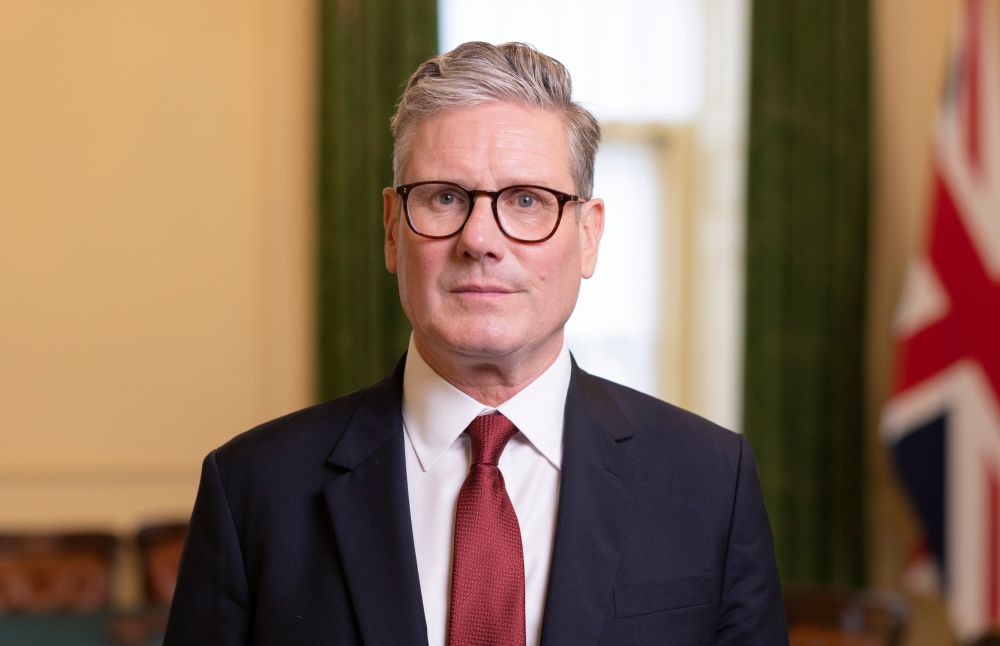
Keir Starmer Resigns as Prime Minister of the United Kingdom and leader of the Labour Party, bringing an end to months of political uncertainty and internal party divisions that have increasingly weakened his position.

Starmer announced his decision on Monday outside 10 Downing Street, confirming that he would step down after overseeing a transition process to allow for an orderly leadership contest within the Labour Party.
The resignation follows growing pressure from Labour lawmakers after the party suffered significant losses in local elections earlier this year. The setback intensified concerns about Starmer’s leadership and sparked calls for a change at the top of government.
Speaking during his resignation announcement, Starmer said every decision he made while in office was guided by his commitment to serving the British people.
He thanked his wife, Victoria, describing her as his strongest source of support throughout his political journey.
“I have always tried to put the country first,” Starmer said, adding that he now wanted to spend more time with his family and focus on being a better father to his children.
His departure comes less than two years after leading Labour to a landslide victory in the 2024 General Election, which ended more than a decade of Conservative rule and returned the party to power with a commanding parliamentary majority.
However, his administration soon became plagued by political controversies, policy reversals, ministerial resignations and declining public approval ratings.
Political pressure intensified following Labour’s disappointing performance in local elections and the growing influence of Greater Manchester Mayor Andy Burnham, who is widely expected to launch a bid for the party leadership.
Burnham recently secured victory in a key parliamentary by-election, strengthening speculation that he could become Starmer’s successor.
Under Labour Party rules, only a sitting Member of Parliament can contest for the leadership, making Burnham’s return to Westminster a significant development in the race to replace the outgoing prime minister.
Reports from British media suggest that more than 100 Labour MPs had privately urged Starmer to step aside amid fears that the party was losing public confidence.
His resignation means the United Kingdom will soon welcome its seventh prime minister in just ten years, highlighting a period of remarkable political instability in British politics.
Read Also: Crude Prices Drop as US-Iran Talks Boost Market Confidence
Attention now turns to the Labour leadership contest, which is expected to dominate the political landscape in the coming weeks as party members and lawmakers decide who will lead both the party and the country into the future.
The outcome of the leadership race could have major implications for Britain’s economy, foreign policy, immigration strategy and relationship with international partners.