Yankari still has wildlife, but the reality is less impressive than some old photographs and tourism brochures might suggest. The reserve was once celebrated for its abundance of large animals, yet years of poaching, habitat pressure, bush fires, illegal grazing and weak management have taken a toll.
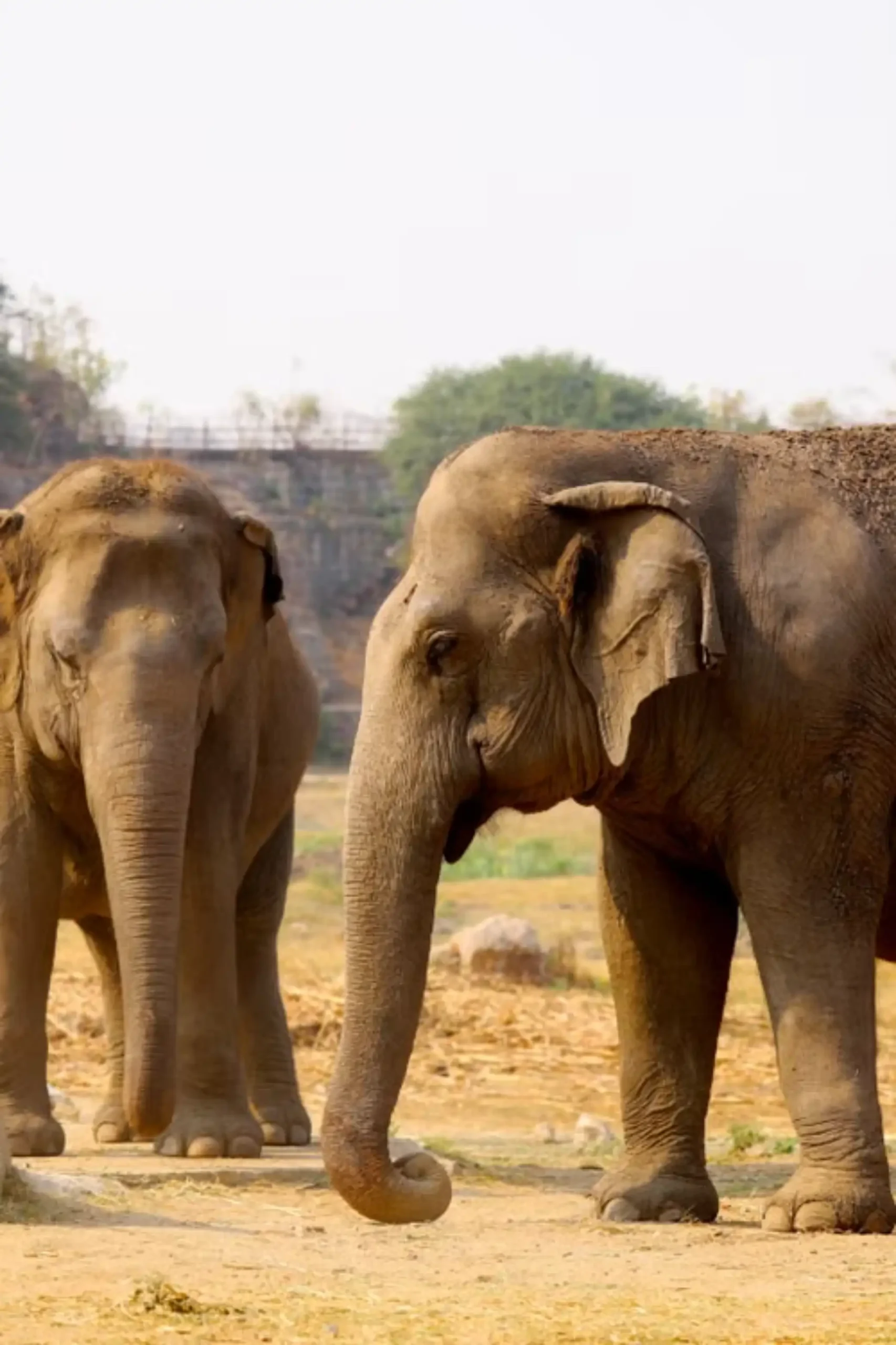

Recent research indicates that wildlife populations have declined significantly, with some species no longer recorded in the reserve. A 2025 biodiversity inventory documented hundreds of species, but noted a marked decline in the composition of large mammals and the absence of lions, once among Yankari’s most important attractions.
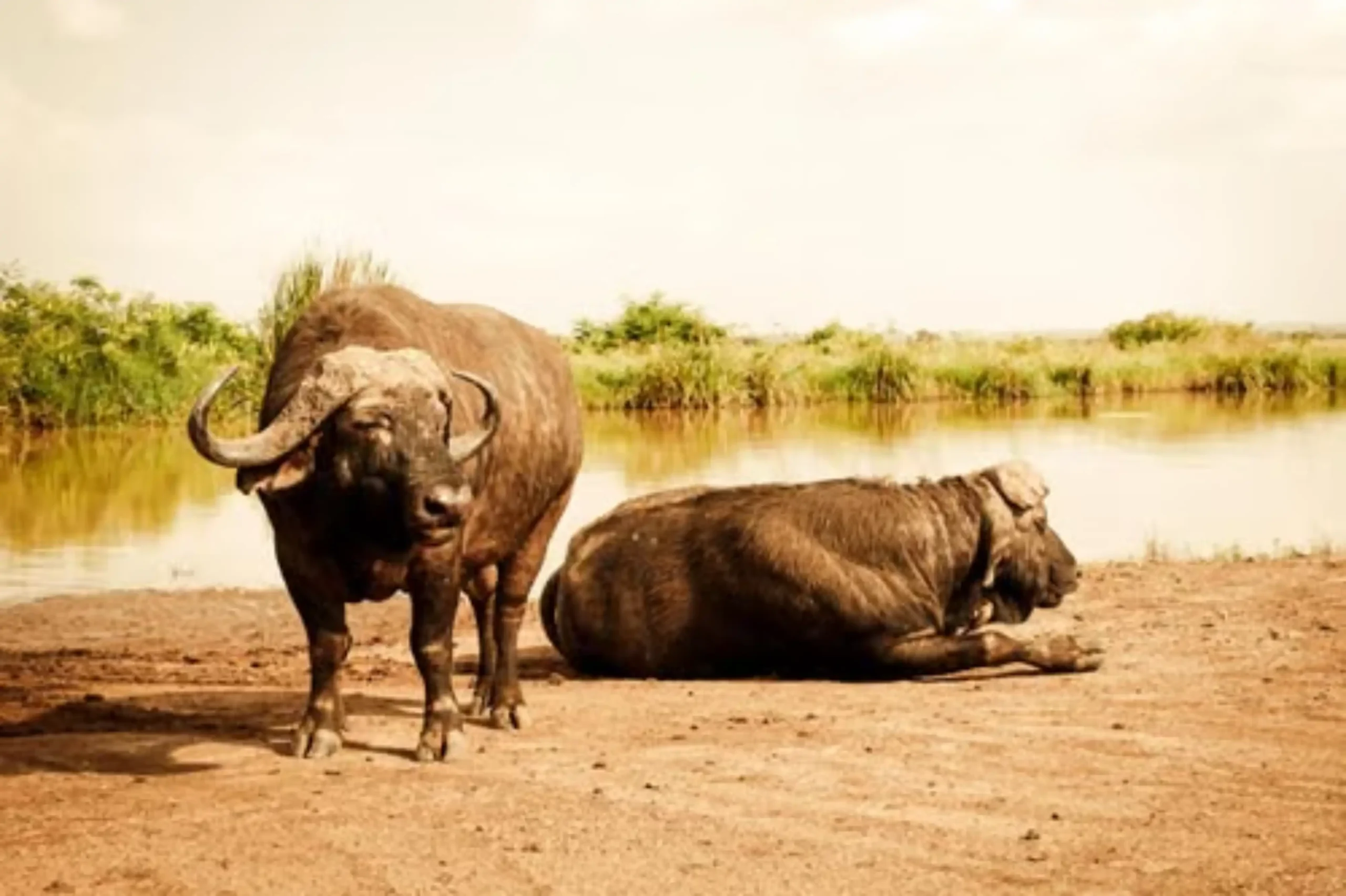
That does not mean there is nothing left to see. Yankari remains important because it still protects Nigeria’s largest remaining population of savanna elephants, along with buffalo, antelope, baboons, waterbuck and other wildlife. But this is precisely where the story becomes uncomfortable. The reserve cannot be marketed simply as a place where visitors are guaranteed an impressive safari. Wildlife viewing is unpredictable, and the depletion of animal populations makes conservation more than an environmental issue; it is also a tourism issue.

Fewer animals, poorly maintained facilities and limited visitor infrastructure make it harder for Yankari to deliver the experience its reputation promises. The Wildlife Conservation Society has previously described the reserve as having suffered from neglect and underfunding, while poaching and the bushmeat trade have reduced opportunities for game viewing.
There are signs of renewed attention. The Bauchi State Government has reported improvements in security and tourism infrastructure, while conservation organisations and rangers continue efforts to protect the remaining wildlife. The challenge is that rebuilding a tourism destination is considerably easier than rebuilding a wildlife population. A road can be repaired, a lodge renovated and a swimming pool cleaned; an elephant herd or a lost species cannot simply be replaced.
And that may be the most important reason to keep Yankari in the conversation. It still has the landscape, the warm springs, the history and enough wildlife to make a visit worthwhile, but its future depends on whether conservation is treated as the main attraction rather than an afterthought.
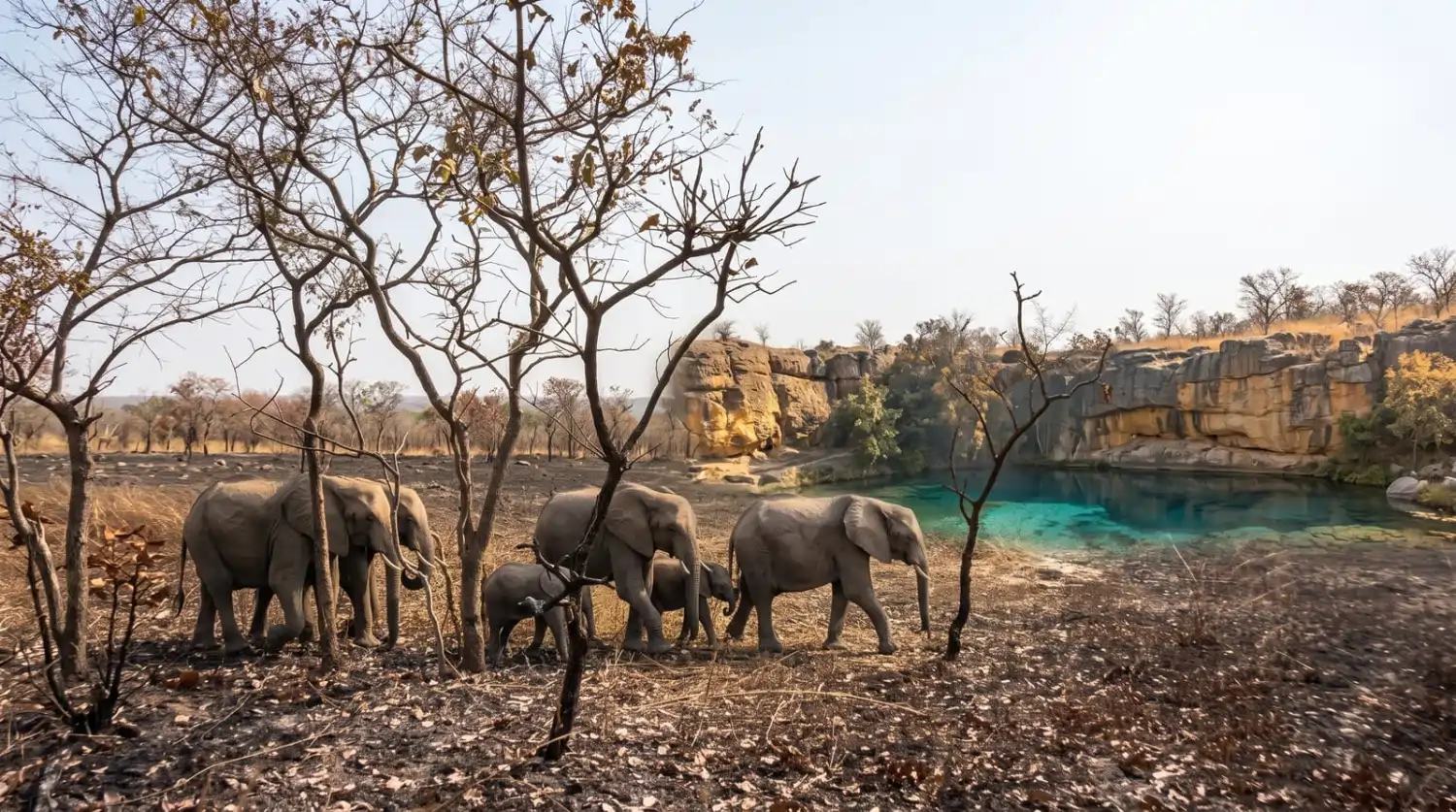

Yankari does not need another glossy promise that Nigeria’s wildlife paradise is waiting around the corner. It needs sustained protection, properly maintained facilities and a tourism model that makes keeping animals alive more valuable than exploiting them.
There are still wild cards at Yankari. The bigger question is whether there will be enough of them left for the next generation of visitors to see.