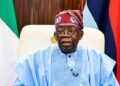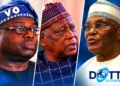

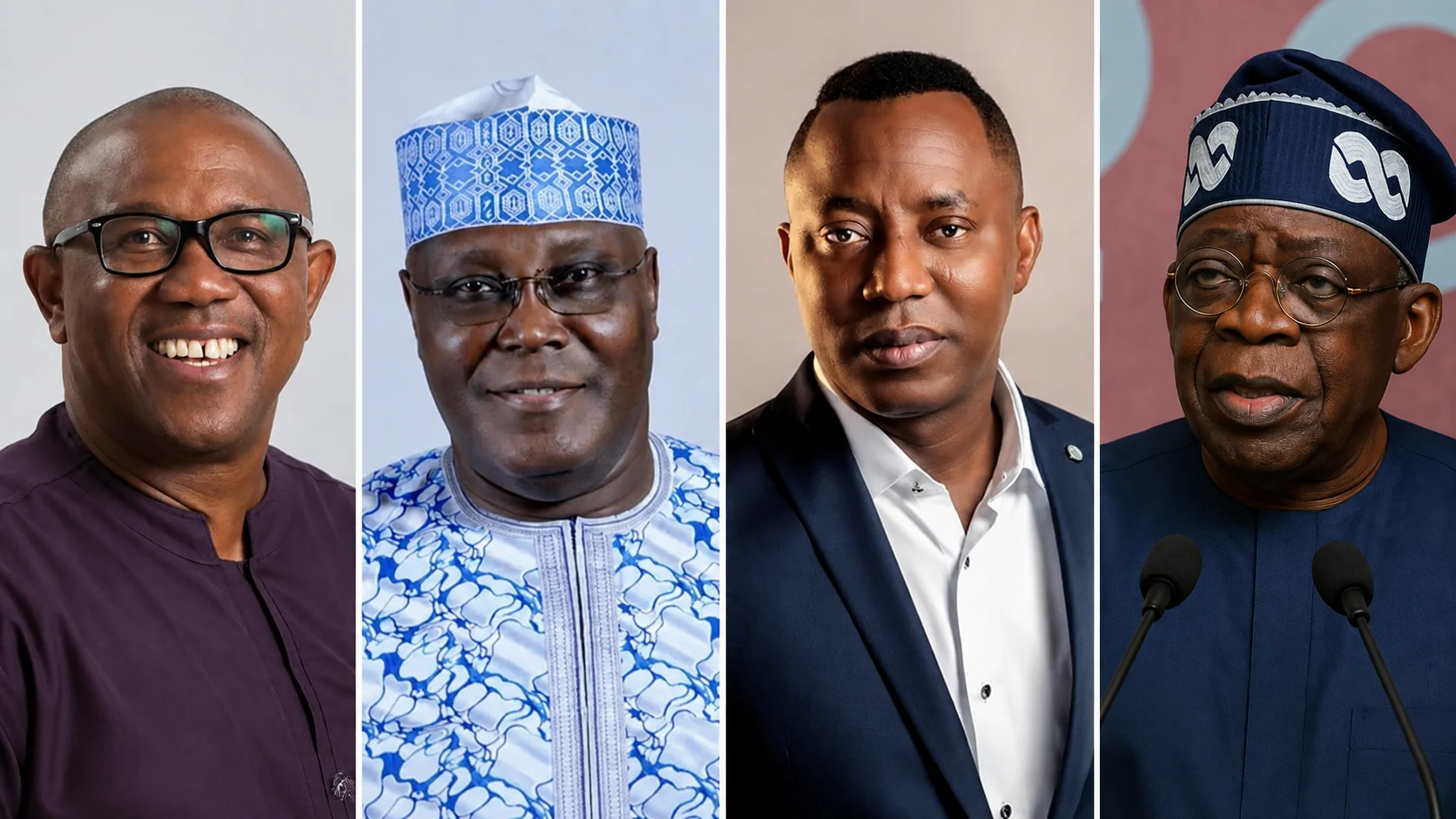
Campaigning for Nigeria’s 2027 presidential election has officially begun, with President Bola Tinubu, former Vice President Atiku Abubakar, Peter Obi and other political contenders preparing to take their campaigns to voters amid economic hardship, insecurity and growing concerns over the cost of living.

The election is expected to be a major political contest, with Tinubu seeking a second term after winning the 2023 presidential election.
The race will also see a repeat contest involving some of the major political figures from 2023, including Atiku and Obi, while other candidates are expected to join the battle for the presidency.
Political analysts say the economy is likely to dominate the campaign as Nigerians continue to grapple with the effects of inflation, high living costs and the broader impact of economic reforms introduced by the Tinubu administration.
Tinubu’s government has implemented major reforms, including the removal of the petrol subsidy, which the administration argues was necessary to address long-standing structural weaknesses in the Nigerian economy.
While the reforms have received support from some economists and investors, they have also triggered significant pressure on households, with rising transportation, food and other living costs becoming major concerns for millions of Nigerians.
Security is expected to be another major issue during the campaign. Nigeria continues to face threats from terrorist groups, kidnappers, bandits, communal conflicts and separatist violence in different parts of the country.
Analysts say the security situation could influence voters, particularly in areas where residents continue to face attacks and restrictions on movement.
Tinubu Enters Campaign With Strong Political Structure
President Tinubu enters the 2027 race with the backing of the All Progressives Congress (APC), which controls the Federal Government and has a strong presence across the country’s political landscape.
The President’s political strength is also supported by the APC’s control of the National Assembly and a large number of state governments.
However, the opposition is expected to challenge the President over the economy, security and the impact of his administration’s policies on ordinary Nigerians.
The 2027 contest is already shaping up as a rematch of the 2023 presidential election, when Tinubu defeated Atiku and Obi.
Tinubu secured about 36.6 per cent of the votes in that election, while Atiku polled approximately 29 per cent and Obi received about 25 per cent.
Former Kano State Governor Rabiu Kwankwaso, who finished fourth in 2023, has also entered the opposition calculations after aligning politically with Obi.
Economic Hardship At Centre Of Campaign
The cost of living is expected to remain one of the biggest issues as candidates begin seeking support across the country.
For many Nigerians, the debate will focus on whether the government’s economic reforms are producing sufficient benefits to justify the hardship experienced by households.
The depreciation of the naira and increased prices of essential goods have placed pressure on workers, businesses and families, while unemployment and poverty remain major concerns.
The economic situation is also closely linked to the country’s security challenges, with poverty and unemployment frequently cited among the factors contributing to social instability.
Security Concerns Could Affect Voter Turnout
Security is another major concern ahead of the election.
Terrorist attacks, kidnapping and banditry have continued to affect parts of northern and central Nigeria, while other regions face separate security challenges.
Concerns over insecurity could also affect voter participation, particularly where residents have to travel long distances to their registered polling locations.
The 2023 presidential election recorded a turnout of only about 27 per cent, raising concerns over voter apathy and the ability of political parties to mobilise citizens for the 2027 election.
Tinubu, Obi, Sowore And Others Sign Peace Accord
Ahead of the campaign season, President Tinubu, Peter Obi, African Action Congress presidential candidate Omoyele Sowore and Peoples Redemption Party candidate Donald Duke, among other political contenders, signed the National Peace Accord.
The signing ceremony took place in Abuja and was organised by the National Peace Committee.
Political party leaders, presidential and governorship candidates, National Assembly candidates, the Chairman of the Independent National Electoral Commission (INEC), Joash Amupitan, Secretary to the Government of the Federation George Akume and other political stakeholders attended the event.
The accord is designed to promote peaceful political engagement and discourage violence before, during and after the elections.
Obi Calls For Credible And Violence-Free Election
Peter Obi urged political actors to ensure that the 2027 election is credible and that Nigerians’ votes are allowed to count.
The former Anambra State governor called on Nigerians to reject candidates and political parties that violate the principles contained in the peace agreement.
Obi also urged political contestants to conduct themselves responsibly throughout the campaign and electoral process.
He said the credibility of the election would depend not only on electoral institutions but also on the behaviour of political parties and their candidates.
READ ALSO: Adeleke Wins Osun Governorship Election, Secures Second Term
Tinubu Says Technology Is Improving Elections
Representing President Tinubu at the peace accord signing, George Akume praised the National Peace Committee for sustaining efforts to promote peaceful elections.
Tinubu also pointed to technological improvements in Nigeria’s electoral system, particularly the Bimodal Voter Accreditation System (BVAS), which he said had strengthened the voting process and reduced electoral malpractice.
The President cited recent off-cycle elections as evidence of improving transparency in Nigeria’s electoral system, arguing that when election processes and results are credible, the likelihood of prolonged post-election disputes is reduced.
With the 2027 presidential campaign now underway, candidates will increasingly focus on convincing Nigerians that they can address the country’s economic, security and development challenges.
For voters, the central question will be whether the competing political parties can offer practical solutions to the problems affecting everyday life.