
The Federal Government is set to make a formal reconciliation declaration over the 1967 Asaba Massacre, 59 years after hundreds of civilians were killed during the Nigerian Civil War.

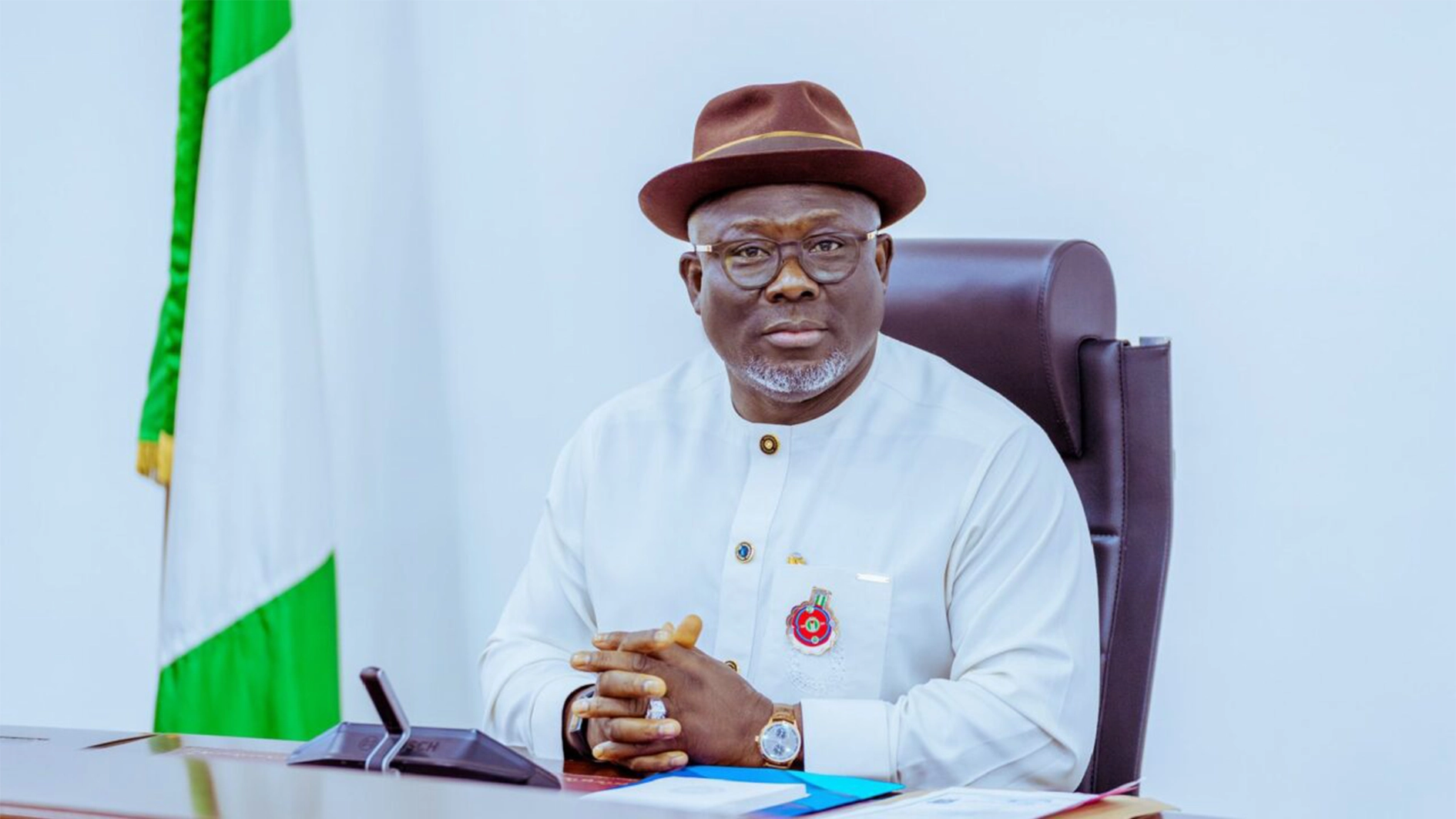
Delta State Governor Sheriff Oborevwori disclosed this on Wednesday through the Secretary to the State Government, Dr Kingsley Emu, at the 59th anniversary memorial of the massacre in Asaba.
Oborevwori said official acknowledgement of the tragedy by the Federal Government would be critical to efforts to achieve reconciliation, noting that the Delta State Government had already recognised the massacre.
“An official acknowledgement by the respective governments is critical. Delta State has acknowledged the tragedy. Nigeria will acknowledge it, and we believe the world will also acknowledge it,” the governor said.
He added that the state was hopeful that the Federal Government would make the proposed formal reconciliation declaration.
The governor said the Delta State Government would continue supporting efforts to secure national recognition of the massacre and establish a fitting national memorial for the victims.
Oborevwori stressed that remembering the tragedy should not be viewed as an attack on Nigeria, but as part of efforts to learn from the past and prevent similar incidents.
“Never again should ethnicity, suspicion or political conflict become a licence for the killing of innocent people,” he said, urging Nigerians not to inherit the bitterness of the past but its lessons.
The Asaba Massacre took place in October 1967 during the Nigerian Civil War. Historical research and memorial records have documented the killing of large numbers of civilians in the community, with estimates of more than 1,000 people killed.
The Asagba of Asaba, Prof Epiphany Azinge, said the community had forgiven but would not forget the massacre.
Azinge, however, maintained that there would be no complete closure or healing until a sitting President of Nigeria publicly apologised to the people of Asaba.
The monarch’s position came as former President Olusegun Obasanjo called on survivors and families of victims to embrace forgiveness and reconciliation.
Obasanjo, who participated virtually as chairman of the memorial, described the massacre as one of the most painful and disturbing episodes of the Nigerian Civil War. He said he was deeply affected after receiving documents detailing the killings.
The memorial also featured an emotional apology from retired Major-General Ahmed Ibrahim Taiwo, son of the late Major Ibrahim Taiwo, who was associated with the military events surrounding the massacre.
Taiwo said he had spent years researching his father’s role before deciding to apologise to the people of Asaba.
He expressed hope that the gesture would contribute to reconciliation, saying he could not change what happened but believed his apology could serve as a step towards healing.
Azinge subsequently publicly proclaimed forgiveness for the Taiwo family, while maintaining the community’s broader demand for acknowledgement and a presidential apology.
In his recorded message, Obasanjo urged Nigerians to remember the tragedy while embracing forgiveness and reconciliation.
He said the Nigerian Civil War was an unfortunate event that should never have happened and called for lessons to be drawn from the past to prevent a recurrence.
The former President also called for the victims and the tragedy to remain part of Nigeria’s collective memory.
The Obi of Onitsha, Igwe Nnaemeka Achebe, said the process of reconciliation should involve truth, justice, restoration and healing before forgiveness.
The Isama Ajie of Asaba and convener of the memorial, Chief Chuks Nduka-Eze, also used the occasion to emphasise the need for national recognition of the victims and greater documentation of what happened.
He questioned why Nigeria had yet to fully account for the killing of civilians in Asaba.
Emu said the proposed Asaba Massacre Memorial Centre would preserve the names, testimonies and records of victims and survivors for future generations.
READ MORE: Public Servants Begin Three-Day Strike Over Petrol Price, Wage Demands
He said survivors and witnesses still had important accounts that needed to be documented, adding that the people of Asaba had endured the consequences of the tragedy and emerged stronger.
The memorial organisers are also preparing for the 60th anniversary next year, with renewed efforts to establish a permanent memorial centre for remembrance, documentation and education.
The proposed Federal Government reconciliation declaration, alongside calls for a presidential apology and the planned memorial centre, is expected to keep the question of national acknowledgement of the Asaba Massacre in focus as Nigeria approaches the 60th anniversary of the tragedy.