

There was a time when a successful holiday could be measured by how much you managed to squeeze into it. Five cities in seven days sounded impressive, even if everyone returned home needing another holiday. That attitude is beginning to change as travellers increasingly look for slower, more meaningful experiences rather than simply collecting destinations.


The African Travel & Tourism Association’s 2026 trends report identifies cultural immersion, heritage storytelling, conservation-led experiences and slower travel as important forces shaping leisure travel to Africa. The organisation also points to growing interest in destinations beyond the continent’s most established safari markets, including Rwanda, Uganda, Zambia, Zimbabwe and Madagascar.
The shift is partly about exhaustion. Travellers have become accustomed to planning holidays around flight times, hotel check-ins, restaurant reservations and an increasingly ambitious list of attractions. Social media has made this even more competitive. If somebody managed to see six landmarks before breakfast, there was always another traveller apparently doing eight.
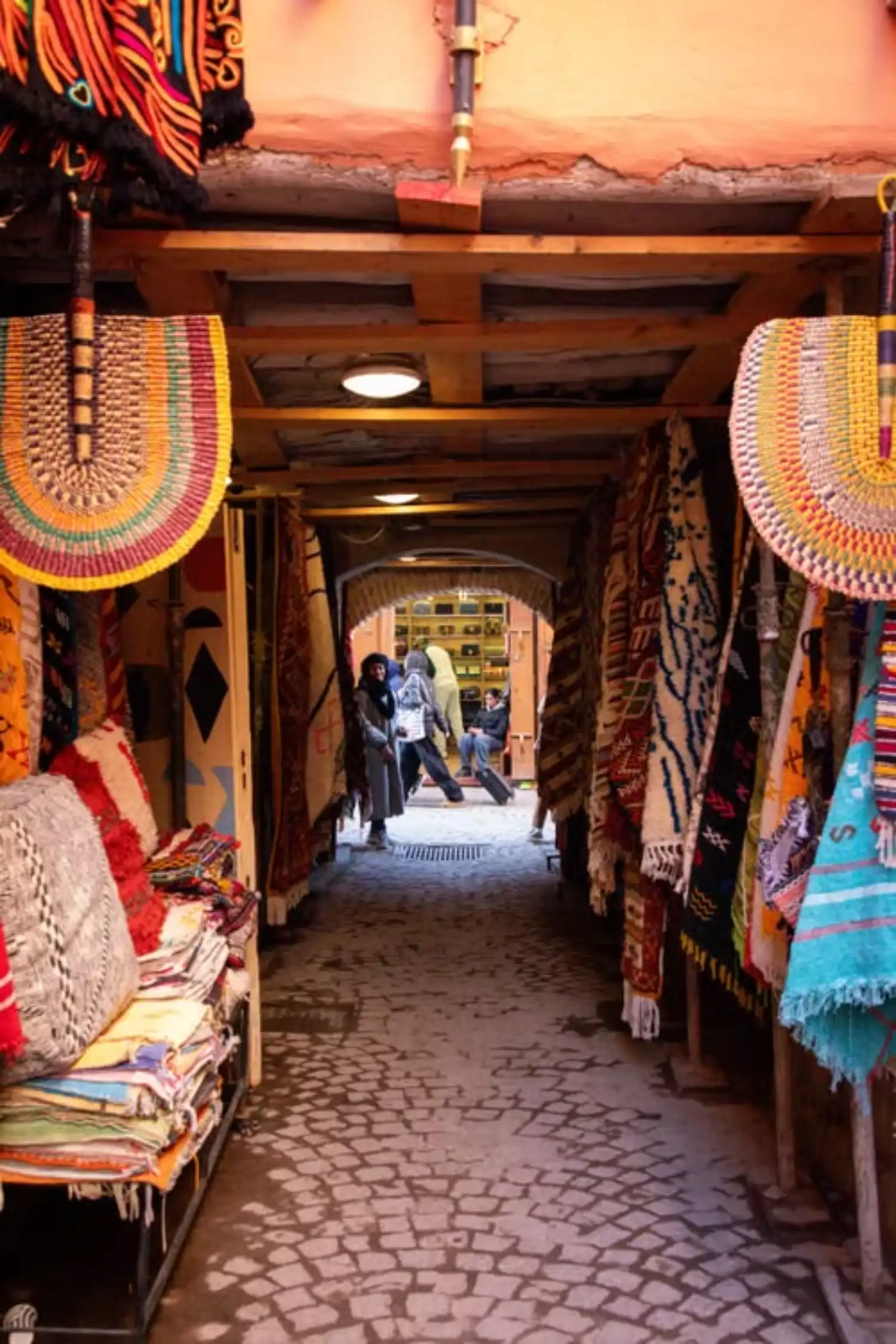
Slower travel offers a different proposition. Instead of moving every two nights, visitors may spend longer in one location and learn how people actually live there. A trip to a city might include a neighbourhood food tour, a conversation with a local guide, a visit to a craft workshop or simply enough time to discover the same café twice. The second visit is often when a place starts becoming familiar.
This trend is particularly interesting in Africa because many destinations already have the ingredients travellers say they want. Cultural experiences, community tourism, conservation, food, music, craft and heritage are not newly invented travel products. They have existed for generations; tourism is increasingly learning how to present them without reducing them to staged performances.

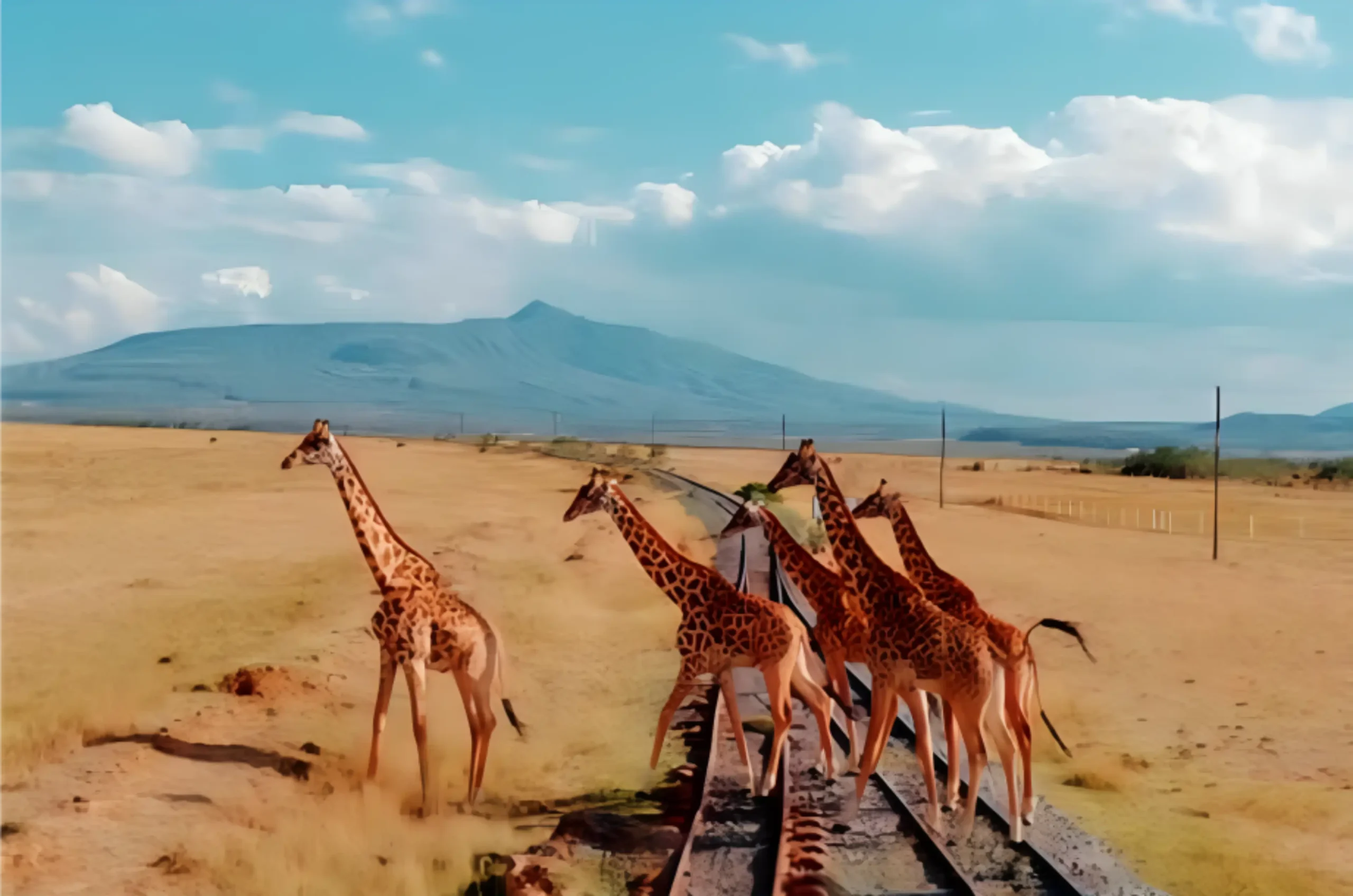
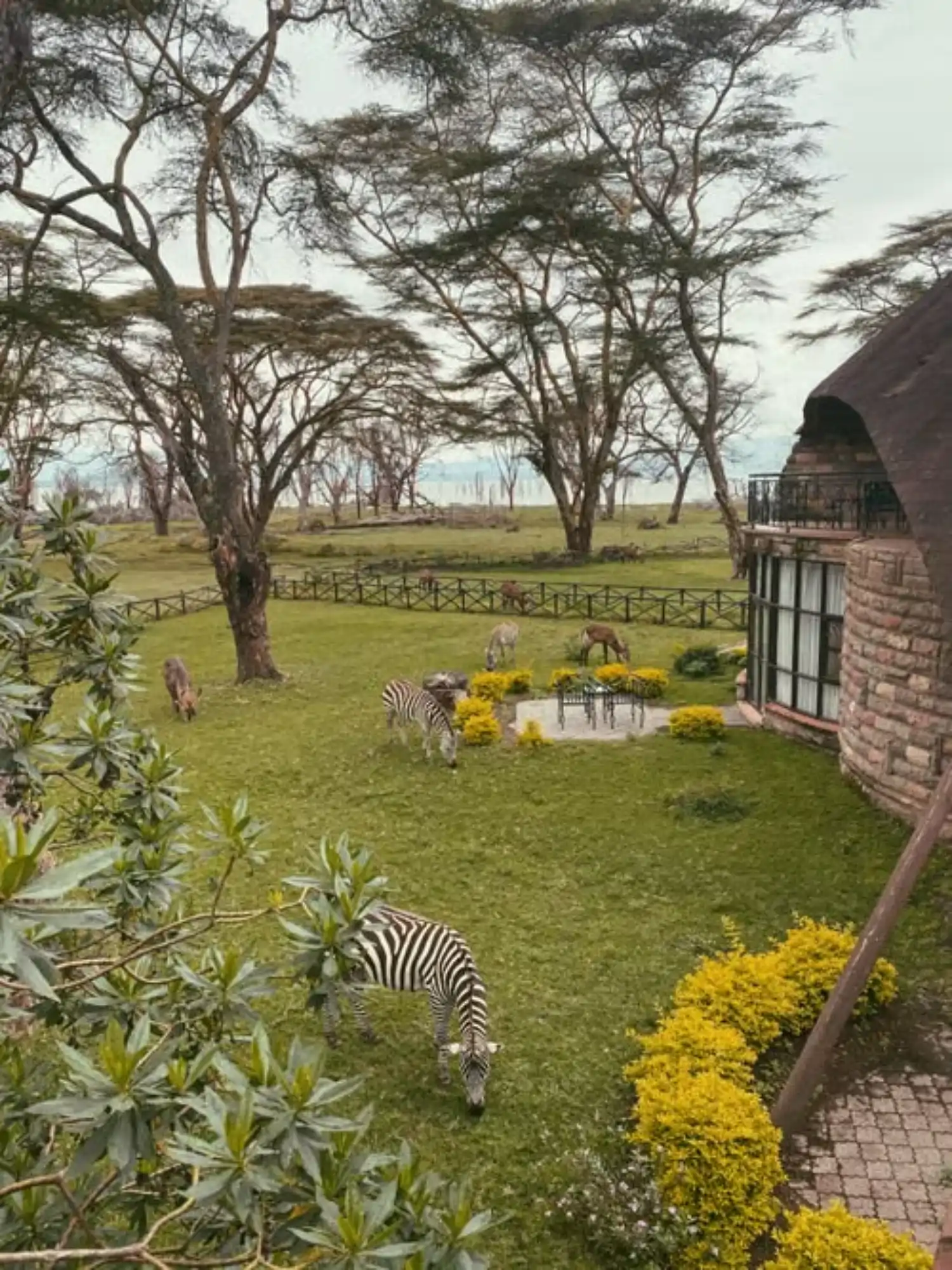
There is also a growing appetite for alternative safari destinations. Rwanda, Uganda, Zambia, Zimbabwe and Madagascar are being highlighted as places where travellers can experience wildlife while moving beyond the most established safari routes. That does not mean the traditional destinations have suddenly become irrelevant. It simply suggests that the African tourism map is becoming more varied.
The economic implications could be significant. A visitor who stays longer and spends money on locally owned accommodation, restaurants, guides, transport and experiences may distribute tourism income more widely than someone who arrives, sleeps in a large resort and leaves again.
Slow travel also has an unexpected advantage: there is less pressure to have fun every minute. You can sit somewhere without photographing the chair. You can eat without immediately reviewing the restaurant. You can get lost, provided you have a sensible way of finding yourself again.
READ MORE: Zanzibar Travel Guide 2026: Beaches, Culture, Food and Adventure
For African travellers, this could make regional tourism particularly attractive. A long weekend does not have to become a military operation involving three airports, four countries and a spreadsheet. Sometimes the better trip is the one where there is enough time to notice what is happening around you.
The holiday of the future may therefore be less about how far you travelled and more about what you actually experienced when you got there